Ted Bundy: The Killer Everyone Trusted. Thirty victims, many names, and the limits of certainty
Updated: Feb 11
A Face America Believed
He did not look dangerous. He did not act suspicious .And for years, no one believed he could be capable of what he was doing.
Ted Bundy was polite, articulate, and outwardly respectable. He volunteered on political campaigns. He worked at a suicide prevention hotline. He was trusted by friends, coworkers, and strangers alike.
While he blended seamlessly into everyday life, young women across multiple states were disappearing.
By the time law enforcement realized the cases were connected, dozens of lives had already been lost.

Early Life and Identity
Ted Bundy was born Theodore Robert Cowell on November 24, 1946, in Burlington, Vermont. For much of his childhood, he was raised believing his grandparents were his parents and that his mother was his sister. The truth about his parentage was not openly discussed, and how much this influenced his later behavior remains a subject of debate rather than established fact.
As a young adult, Bundy appeared ambitious and intelligent. He attended college in Washington State, became involved in political causes, and expressed interest in law. To those around him, he appeared disciplined and forward-thinking, with no obvious signs of violent behavior.
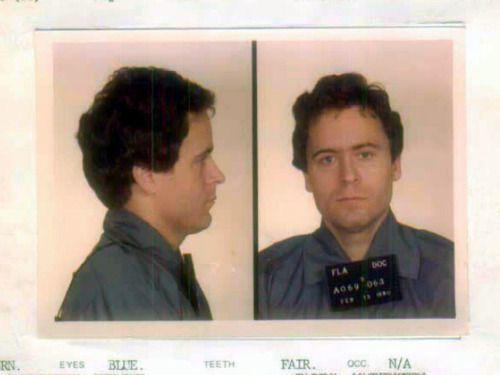
The First Confirmed Disappearances: Ted Bundy Victims
The earliest victims attributed to Bundy disappeared in Washington State in early 1974. Several young women vanished after encounters with a man who introduced himself as “Ted” and appeared injured, often wearing a cast or sling and asking for help.
Witnesses later recalled a tan Volkswagen Beetle connected to these encounters. At the time, the disappearances were treated as isolated incidents. Communication between law enforcement agencies across state lines was limited, and the concept of a mobile serial offender was still emerging.


A Pattern Across Multiple States
Between 1974 and 1976, similar disappearances occurred in Washington, Oregon, Utah, Colorado, and Idaho. Many of the victims were college students or young women last seen in public places.
Some remains were eventually recovered. Others were never found. Investigators began to notice similarities in victim profiles and methods, but building definitive cases was difficult due to limited forensic technology and delayed reporting.
The Carol DaRonch Case
In November 1974, Carol DaRonch survived an attempted abduction in Utah. She later identified Bundy as her attacker. In 1975, he was arrested and charged.
Bundy was convicted in 1976, largely based on eyewitness testimony. This marked the first time he was held legally accountable, even as investigators in other states continued linking him to additional disappearances.
Escapes and the Florida Murders
While awaiting trial in Colorado for murder charges, Bundy escaped from custody twice in 1977. After his second escape, he traveled to Florida.
In January 1978, Bundy attacked the Chi Omega sorority house at Florida State University. Two women were killed, and several others were seriously injured. Weeks later, twelve-year-old Kimberly Leach was abducted and killed.
Bundy was arrested again in February 1978.

Trials and Convictions
Bundy chose to represent himself during his Florida trials, a decision that drew intense national media attention. In 1979, he was convicted of three murders and sentenced to death.
Although only convicted of three killings, investigators across multiple states attributed many more deaths to him based on physical evidence, witness testimony, and later confessions.

Confirmed Victims
Investigators believe Bundy was responsible for at least 30 victims between 1974 and 1978.This total includes identified victims and several unidentified victims confirmed through corroborated evidence.
Because not all victims were ever identified, it is not possible to list 30 names. What follows are the confirmed victims whose identities are known, based on law enforcement records and historical consensus.
Washington (1974)
Lynda Ann Healy (21)
Donna Gail Manson (19)
Susan Elaine Rancourt (18)
Roberta Kathleen Parks (22)
Brenda Carol Ball (22)
Georgann Hawkins (18)
Janice Ann Ott (23)
Denise Marie Naslund (19)
Utah (1974–1975)
Nancy Wilcox (16)
Melissa Anne Smith (17)
Laura Ann Aime (17)
Debra Jean Kent (17)
Susan Curtis (15)
Colorado (1975)
Caryn Eileen Campbell (23)
Julie Lyle Cunningham (26)
Denise Lynn Oliverson (25)
Idaho (1975)
Lynnette Dawn Culver (12)
Florida (1978)
Margaret Elizabeth Bowman (21)
Lisa Janet Levy (20)
Kimberly Diane Leach (12)
Understanding the Number
The widely cited figure of 30 victims reflects the total number Bundy ultimately admitted to killing in state-by-state confessions that investigators were able to partially corroborate.
Several of those victims were never identified by name, and in some cases their remains were never recovered. For that reason, responsible historical accounts distinguish between confirmed victims and identified victims.
This article lists only those victims whose identities are known. Cases that remain disputed or lack sufficient corroboration are intentionally excluded.
Execution Without Closure
Ted Bundy was executed by electric chair at Florida State Prison on January 24, 1989.
His death did not resolve every case. Some victims were never recovered. Some families were left without answers. Even Bundy’s final statements were incomplete and selectively given.
The legal case ended, but the unanswered questions did not.
Why This Case Still Matters
Ted Bundy is remembered not because he was extraordinary, but because he was believed. He was trusted. He was overlooked.
His case reshaped how law enforcement investigates serial crimes, highlighted the need for interstate cooperation, and challenged assumptions about what danger looks like.
Most importantly, it underscores why accuracy matters. The truth is not strengthened by exaggeration. It is preserved by restraint.
The confirmed victims deserve to be remembered for who they were, not overshadowed by myth or speculation. Their names, not his notoriety, are what give this case its lasting weight.
Victims Remembered



Case Facts
Location: Multiple locations across the United States, primarily Washington, Utah, Colorado, and Florida
Year: 1974–1978 (known murders); 1989 (execution)
Victims: At least 30 young women, though Bundy confessed to more and the true number is believed to be higher
Responsible Person: Theodore Robert Bundy
Outcome: Between 1974 and 1978, Ted Bundy abducted and killed numerous young women across several states, often posing as an injured man to gain sympathy. He was arrested multiple times, escaped custody twice in 1977, and later committed additional murders in Florida, including the Chi Omega sorority attacks. Bundy was convicted of multiple murders and sentenced to death. He was executed in the electric chair at Florida State Prison on January 24, 1989.
Read Next:


Comments