The Circleville Letters
Updated: Feb 11
Anonymous letters exposed private lives, preceded a mysterious death, and unsettled an Ohio town for nearly two decades
Opening
In the late 1970s, residents of Circleville began receiving anonymous letters that accused them of secret affairs and private misconduct. The writer claimed to be watching their homes and tracking their lives.
At first, the letters felt intrusive. Then they became threatening.Before they stopped, one man was dead, another narrowly escaped injury, and an entire town was left questioning who had been watching all along.
The First Letters
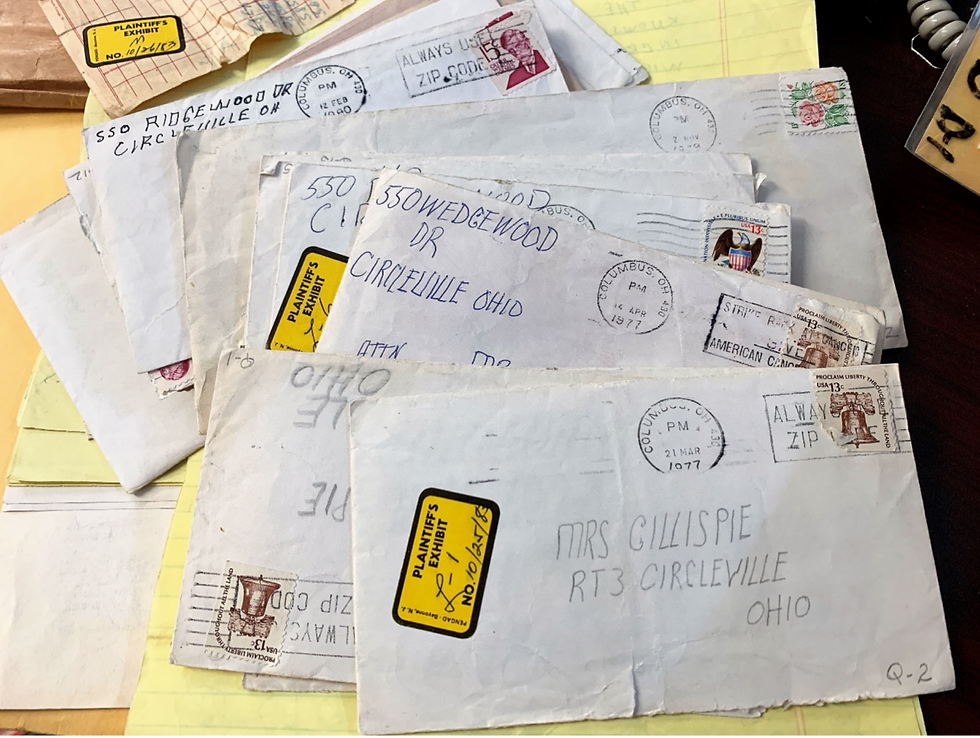
The earliest confirmed letters appeared in 1976 and 1977. They arrived at homes, schools, workplaces, government offices, and local newspapers. Each letter was handwritten in block lettering and mailed without a return address.
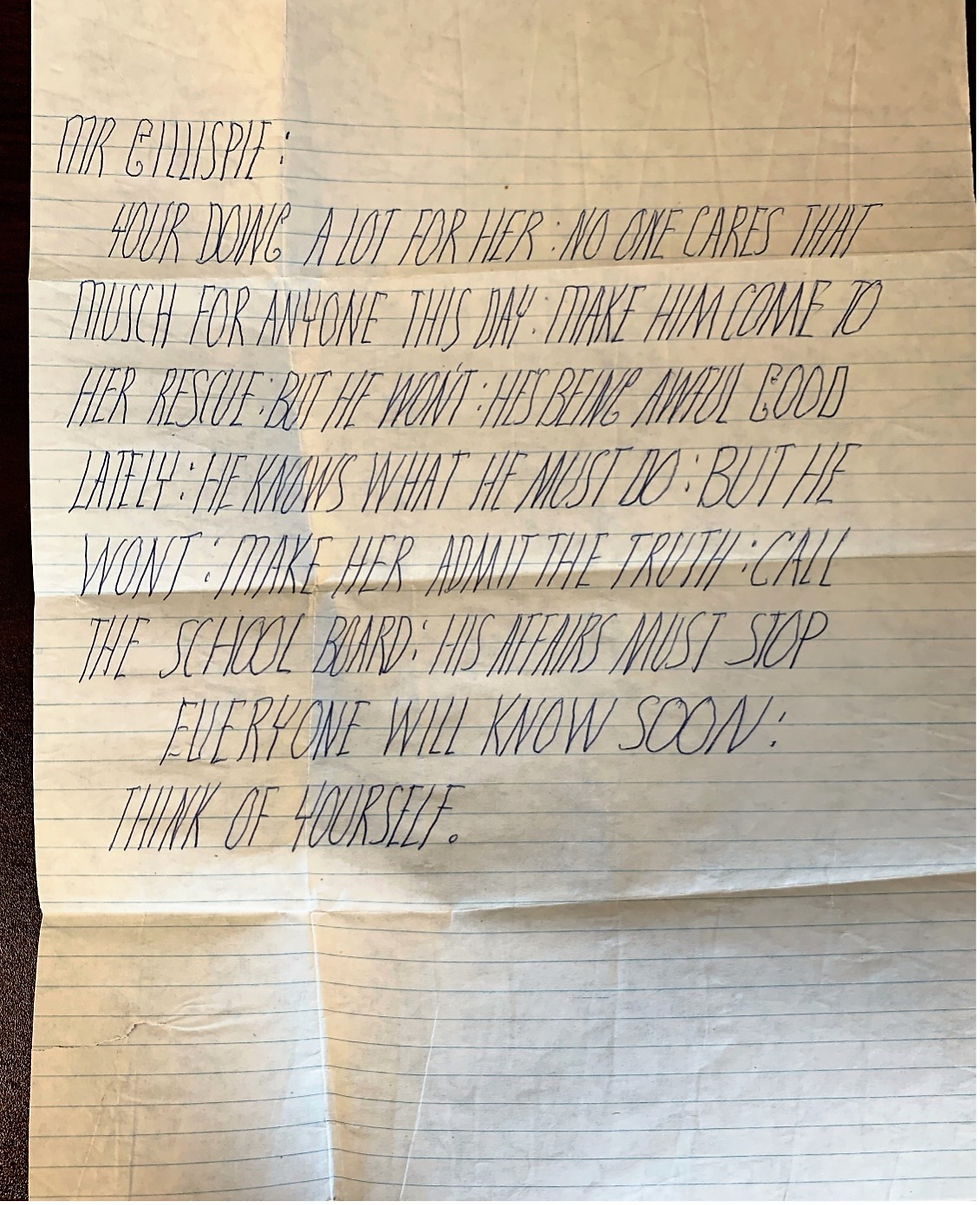
The content followed a pattern. The writer accused recipients of moral wrongdoing and warned them to stop or face exposure. Many people who received letters later said the accusations contained details that were not widely known.
The writer never explained who they were or how they knew so much.
Mary Gillespie Becomes a Target
One of the earliest and most persistent targets was Mary Gillespie, a local school bus driver.
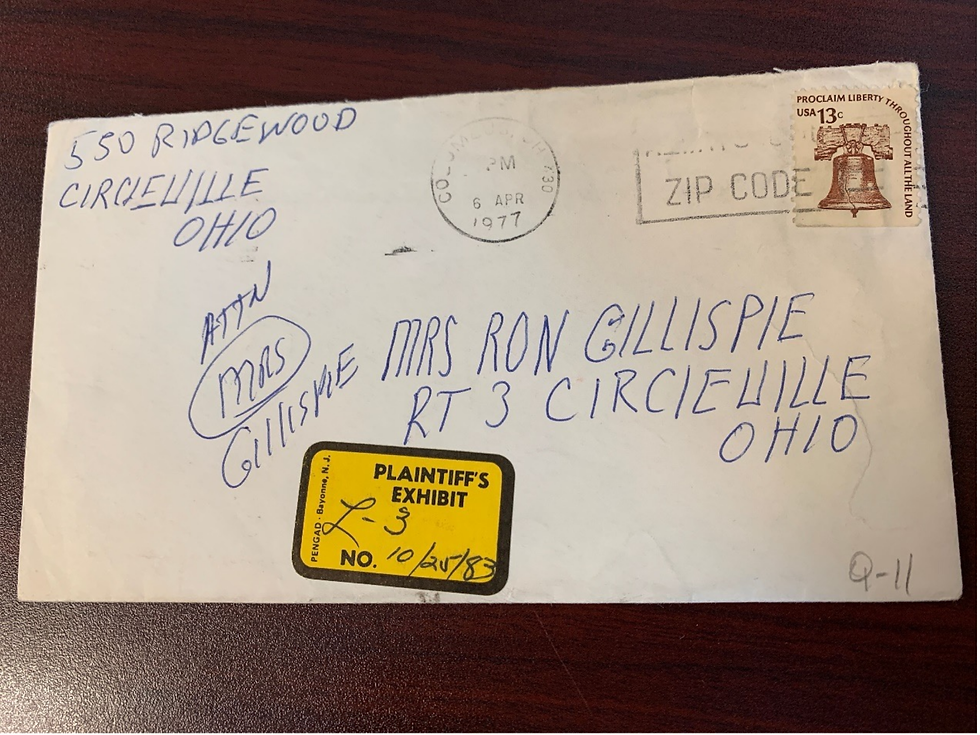
In 1977, Mary began receiving letters accusing her of having an affair with Gordon Massie, the superintendent of the local school district. The letters did not simply accuse her. They implied observation.
One letter stated that the writer had been watching her house and knew she had children. Another ordered her to stay away from Massie.
Mary denied the allegations. But the letters did not stop. Copies were sent to school officials and others in the community, ensuring the accusations could not be contained privately.

Letters Sent to Ron Gillespie
Soon after Mary began receiving letters, her husband Ron Gillespie started receiving them as well.
The tone was more aggressive. One letter urged him to catch his wife and the superintendent together and suggested violence. Others threatened to expose the alleged affair through television, posters, and billboards if Ron did not act.
Family members later said Ron became increasingly distressed. He believed he knew who was responsible for the letters and felt pressured to confront them.
The Death of Ron Gillespie
On an August evening in 1977, the phone rang inside the Gillespie home. Ron answered. Whatever was said on the other end of the line unsettled him enough that he grabbed a .22 caliber revolver, told his daughter he was going to confront the person behind the letters, and left the house.
Minutes later, his truck left the road and struck a tree.
Ron Gillespie was pronounced dead at the scene. A handgun was found near his body. Investigators later determined the weapon had been fired once before the crash. Why it was fired was never explained.
The local coroner ruled Ron’s death an accident. No criminal charges were filed.
The letters continued.
Continued Harassment After the Death
After Ron Gillespie’s death, the letters did not slow. They continued to target Mary Gillespie and Gordon Massie.
One letter taunted that everyone already knew what they had done and warned that further consequences would follow if they did not comply. By this point, other residents across Circleville were also reporting similar messages.
The letters suggested close observation. They referenced routines, relationships, and personal details that made recipients uneasy. Fear spread quietly through the town.
The Booby Trap Incident
In February 1983, the harassment escalated from threats to physical danger.
While driving her school bus route, Mary Gillespie noticed a handmade sign posted on a fence. It contained obscene statements about her teenage daughter. When Mary tried to remove it, she discovered the sign was attached to a box.
Inside the box was a loaded firearm.
The device had been rigged as a booby trap designed to discharge if disturbed. The gun did not fire. Mary was not injured.
This time, there was physical evidence.
Investigation and Arrest
The firearm recovered from the booby trap was traced to Paul Freshour, Mary Gillespie’s former brother in law.
Freshour told investigators the gun had been stolen weeks earlier. During the investigation, his wife at the time, Karen Sue Freshour, contacted police. She said she believed her husband had written the Circleville letters and provided handwritten notes and letters she claimed to have found hidden throughout their home.
Handwriting analysis was conducted. An expert later testified that the writing matched the anonymous letters, though this conclusion was disputed by the defense. Freshour also failed a polygraph examination, which is not considered definitive evidence.
In 1984, Paul Freshour was convicted of attempted murder related to the booby trap and sentenced to prison.
He was not convicted of writing the letters.
Letters Continue During Incarceration
Freshour’s conviction did not end the letter campaign.
Hundreds of additional letters were reportedly sent to Circleville residents while he was incarcerated. Prison officials stated that Freshour did not have access to pens, paper, or envelopes during this time.
Freshour himself received an anonymous letter while in prison. One warned that the recipient had been watched.
The continued letters raised a troubling question. Had the wrong person been identified?
Karen Sue Freshour and Disputed Motives
Karen Sue Freshour became a central figure in the case as a witness. At the time of the investigation, she and Paul were involved in a contentious divorce.
Paul’s defense argued that she had a possible financial motive to implicate him and suggested her boyfriend may have been involved. These arguments were presented in court but never proven. Karen Sue was never charged and was never officially identified as the letter writer.
Her role remains disputed.
Public Attention and the Letters Stop
In 1993, the television program Unsolved Mysteries traveled to Circleville to investigate the case. During production, the show itself received an anonymous letter warning the crew to stay away.
The letter was signed “The Circleville writer.”
In 1994, Paul Freshour was released from prison on parole. Around the same time, the Circleville letters abruptly stopped.
No clear explanation has ever been offered.
Unresolved Questions
Decades later, the same questions remain.
Who wrote the letters. Whether more than one person was involved. How the writer obtained such detailed personal information. Whether Ron Gillespie’s death was truly accidental
Later forensic reviews suggested similarities between Paul Freshour’s handwriting and the letters, but no definitive conclusion has been reached. Paul maintained until his death that he did not write them.
Law enforcement ultimately closed the case without identifying a confirmed author.
Closing Reflection Of The Circleville Letters
The Circleville Letters remain unsettling not because of graphic violence, but because of uncertainty.
Someone exploited personal knowledge, anonymity, and fear to destabilize an entire town. Despite arrests, expert testimony, and a prison sentence for a related crime, the truth behind the letters was never fully uncovered.
Circleville was left with answers for one act, and silence for the rest.
Case Facts
Location: Circleville, Ohio, United States
Year: 1976–1994 (letters began in 1976; major events in 1977; letters continued for years afterward)
Victims: Multiple residents of Circleville, most prominently Mary Gillespie and her family, who were targeted by threatening and accusatory letters
Responsible Person: Officially unresolved. Paul Freshour was convicted in 1977 of attempted murder related to a booby-trapped sign connected to the case, but he denied writing the letters, and letters reportedly continued while he was in prison. The identity of the letter writer has never been definitively proven.
Outcome: Beginning in 1976, anonymous letters began circulating in Circleville, accusing residents of personal secrets and threatening exposure. In 1977, Mary Gillespie’s husband, Ron Gillespie, died in a suspicious car crash after reportedly pursuing someone connected to the letters. Later that year, a booby-trapped sign intended for Mary Gillespie was discovered and traced to Paul Freshour, who was convicted in connection with the trap. However, the letters continued even during his imprisonment, deepening the mystery. The true identity of the letter writer or writers remains unknown.
Read Next:


Comments